What conditions make life flourish?
On September 11, we held the first of the Generative Conversations of the fourth edition of Incluir para Crecer – Festival of Inclusive Economy: a space dedicated to exploring biodiversity as an invitation to rethink our relationship with life, nature, and human coexistence.
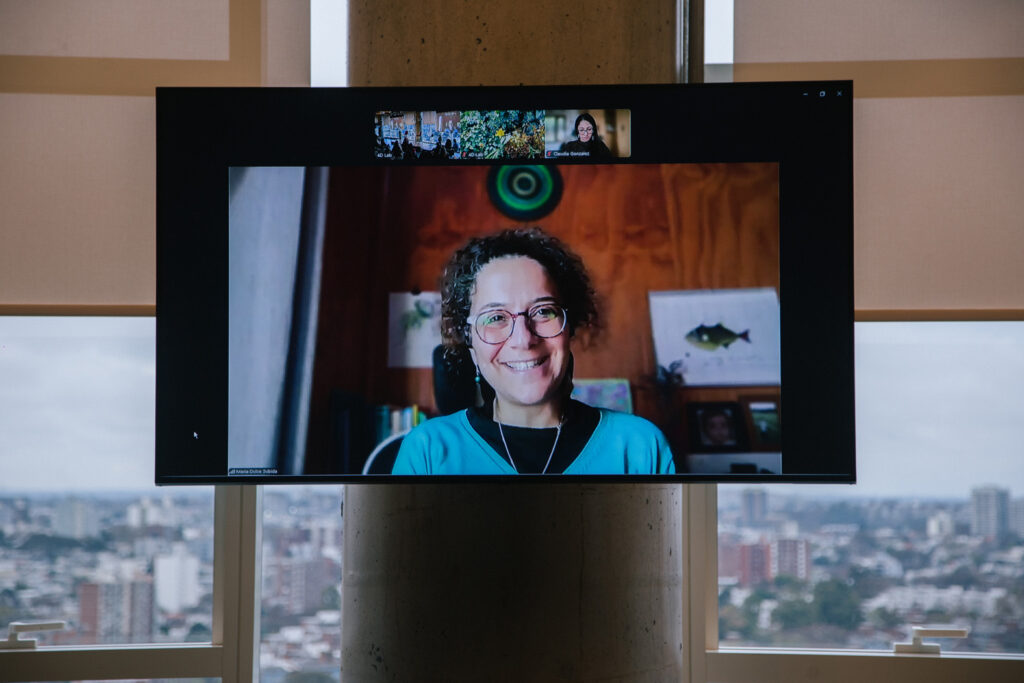
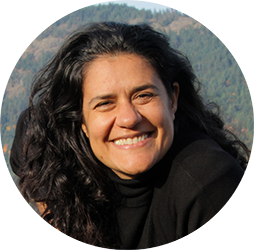
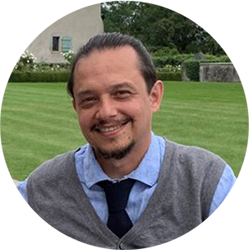
The session was facilitated by Ronald Sistek (Chile) and featured Eduardo Méndez (Uruguay), Claudia González (Colombia), and Abdul Semakula (Uganda) as panelists.
More than 80 people participated, with around 40 attending in person and 45 joining online, from Uruguay and many parts of the world, including Colombia, Argentina, Paraguay, Chile, Puerto Rico, Nicaragua, Mexico, Uganda, Spain, Peru, Guatemala, South Africa, India, Bangladesh, Kenya, Burkina Faso, and Palestine. The geographic, cultural, and experiential diversity present was itself a living expression of the topic that brought us together.
We arrived with the intention to connect
At the beginning of the gathering, participants were invited to reflect on a simple question:
What intention are you bringing to this space?
The answers revealed a community willing to listen, learn, and build collectively.
Intentions such as these emerged:
- Connecting and inspiring
- Sharing and celebrating this journey
- Making space
- Life activism
- Regeneration
- Community
- Curiosity
- Openness
- Expanding our perspective
- Learning from new visions
- Creating life
- Connecting with people building different futures
- Connecting with human and more-than-human nature
Together, these intentions created fertile ground for a conversation rooted in listening, presence, and shared exploration.
Nature as life, belonging, and participation
The first question of the panel was:
What does nature mean to you?
Across territories and experiences, a common idea emerged: nature is not something outside of us.
It was described as life, refuge, belonging, purpose, learning, and encounter.
Participants spoke about nature as something that reminds us who we are and about the need to relearn how to recognize ourselves as part of it.
Nature was also presented as an invitation to participate actively in life, not as external observers but as interdependent beings responsible for contributing to it.
Biodiversity beyond ecosystems
One of the deepest learnings from the conversation was understanding that biodiversity is not limited to species, landscapes, or ecosystems.
Biodiversity also manifests itself:
- In human communities
- In cultural diversity and different ways of knowing
- In different ways of thinking, feeling, and inhabiting the world
- In human creativity and adaptability
The panel highlighted that living systems thrive because of differences and the relationships among them.
Biodiversity became a mirror through which to reflect on human coexistence: an invitation to value difference as a source of resilience, learning, and regeneration.
The great fracture: forgetting that we are nature
One of the ideas that resonated most strongly was that our societies are built upon a deep sense of separation:
- between people and nature,
- between communities and their territories,
- between economy and life,
- between present and future generations.
The conversation pointed to a cultural fracture that has led us to forget how living systems function and how we ourselves function as natural beings.
From different perspectives emerged a shared invitation: To remember that we are nature.
Regeneration means restoring relationships
Another major theme was regeneration.
Rather than an environmental or technical concept alone, regeneration appeared as a process of restoring relationships:
- with ourselves,
- with others,
- with our communities,
- with our territories,
- with ecosystems.
The conversation suggested that the real crisis may not be ecological alone, but a crisis of relationships.
Many of the transformations we need require recovering our capacity to listen, care, and respond to the intelligence of living systems.
What can we do tomorrow?
When the conversation turned toward action, several simple and transformative practices emerged:
🌿 Learn about systems thinking and regenerative development.
🌱 Develop the ability to imagine regenerative futures.
🔎 Engage in processes of learning, reflection, and self-inquiry.
💧 Practice a conscious relationship with water.
Take a glass of water and recognize the long history of life it contains, noticing how it flows through your body and then continues its journey through the body of the Earth.
🌳 Cultivate a relationship with another being.
A tree, a bird, a stone, a flower, or another human being.
Spend time observing, listening, and relating to that being with curiosity and deep attention.
🌿 Practice interbeing.
Explore how we exist thanks to others. Recognize that no being exists in isolation and that all life is sustained through relationships.
What stayed with us
At the end of the gathering, several themes strongly resonated:
- Together we can create impact.
- Restoring relationships allows life to flourish.
- Expanding awareness.
- Redefining success.
- Listening, observing, and recognizing other intelligences.
- Remembering, trust, and humility.
- Regeneration matters.
- Placing nature at the center.
- Healing our relationships.
- Human wellbeing and the wellbeing of nature are deeply interconnected.
Life thrives through diversity and through the relationships that exist among differences.
A conversation that continues
Rather than providing definitive answers, this conversation opened new possibilities.
- It reminded us that biodiversity is not only a characteristic of ecosystems.
- It is also a way of understanding life.
- An invitation to listen more deeply.
- To care for relationships.
- To strengthen interdependence.
- And to imagine futures in which human and more-than-human diversity can truly flourish.
Biodiversity and human diversity are deeply interconnected. To regenerate ecosystems, we must also regenerate our relationships, recover our ability to listen, and remember that we are part of the same web of life. 🌱✨
Emergent poetic harvest created during the gathering – María Dulce Subida